Transforming Urban Landscapes: The Role of Concrete in Modern Public Spaces Apr 03, 2026
Public spaces are a crucial element of urban design, offering places for community interaction, recreation, and creativity. Concrete's versatility makes it an ideal choice for these environments. It provides a robust foundation for sidewalks, plazas, and urban parks, supporting the heavy foot traffic that these areas usually experience. This durability ensures longevity, reducing the need for frequent repairs and thus saving on long-term maintenance costs.
Concrete’s adaptability allows for creative freedom in design. Architects and city planners can utilize it to create unique, modern structures that enhance urban aesthetics. From artful installations to intricate pavement patterns, concrete helps in crafting spaces that are not only functional but also visually appealing. This adaptability also means that projects can be tailored to fit specific community needs, providing personalized spaces that resonate with local culture and environment.
Sustainability is a growing concern in urban development, and concrete contributes to this goal in multiple ways. Its thermal mass helps in minimizing the urban heat island effect, making public spaces more comfortable and reducing the reliance on air conditioning. Moreover, modern concrete technologies enable the inclusion of recycled materials, aligning with green construction priorities. Permeable concrete solutions also help manage stormwater runoff, contributing to more sustainable cityscapes.
Safety is another crucial aspect where concrete shines. It provides a stable, non-slip surface, critical in reducing accidents in public spaces. This safety feature makes concrete an excellent choice for pedestrian walkways, cycling paths, and communal areas. Additionally, its fire-resistant nature adds an extra layer of protection, particularly in densely populated urban settings.
For business owners and municipal planners, choosing concrete for urban projects offers practical benefits. Its cost-effectiveness comes from not just the material’s longevity and minimal maintenance, but also its ease of use. Concrete can be quickly poured, shaped, and set, allowing for faster project completion and reduced labor costs. This efficiency translates into significant savings over large-scale urban projects.
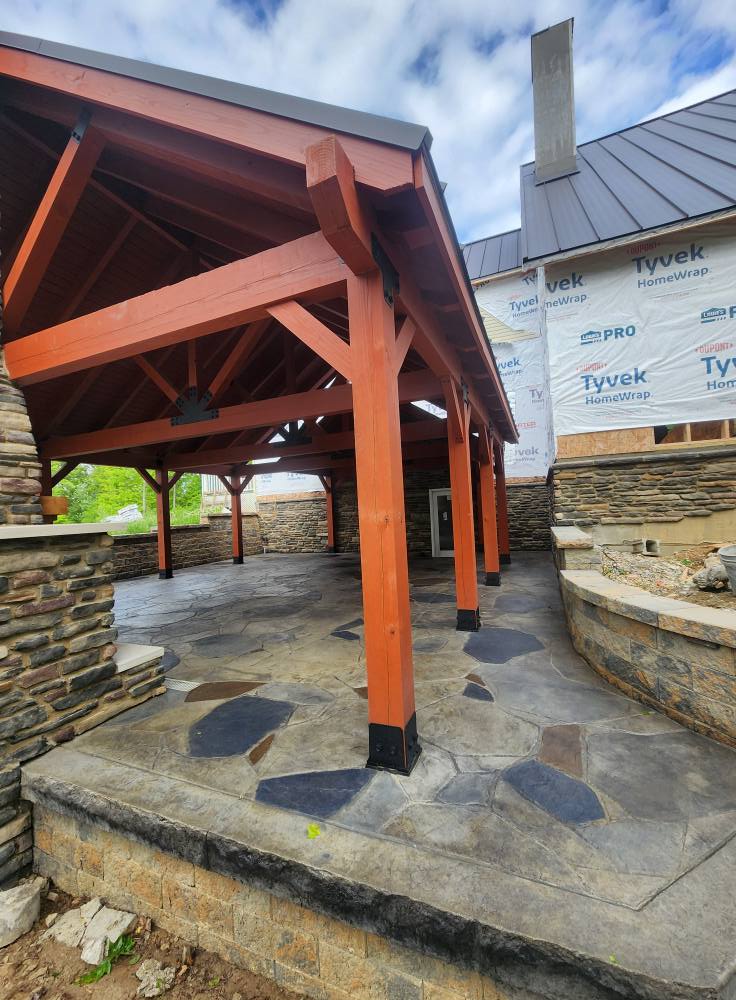
The aesthetic potential of concrete is often overlooked. Today’s concrete trends include a variety of finishes and treatments that can mimic expensive materials like stone and brick, at a fraction of the cost. These finishes allow public spaces to appear luxurious without exceeding budget constraints. Color tinting and stamping provide even further opportunities to customize appearances, helping areas stand out architecturally.
In conclusion, concrete is a formidable player in the development of modern urban public spaces. Its durability, adaptability, and cost-efficiency make it an indispensable choice for creating multifunctional and beautiful environments. Whether it's a serene park, a bustling plaza, or an iconic city walkway, concrete's role is undeniably pivotal in shaping today's urban landscapes. For New Edge Concrete, delivering quality concrete solutions means contributing to the sustainable, safe, and aesthetic advancement of our urban spaces. As cities continue to grow and change, concrete remains a cornerstone, supporting both the present needs and future ambitions of urban living.
/filters:no_upscale()/filters:format(webp)/media/f2f03992-126e-4ac8-9601-47e28c7ed3d9.jpeg)
/filters:no_upscale()/filters:format(webp)/media/e997b8a8-ff09-4a51-86ef-4056701fcbed.jpeg)